 info@forpeat.eu


Project management
ForPeat
in a Nutshell
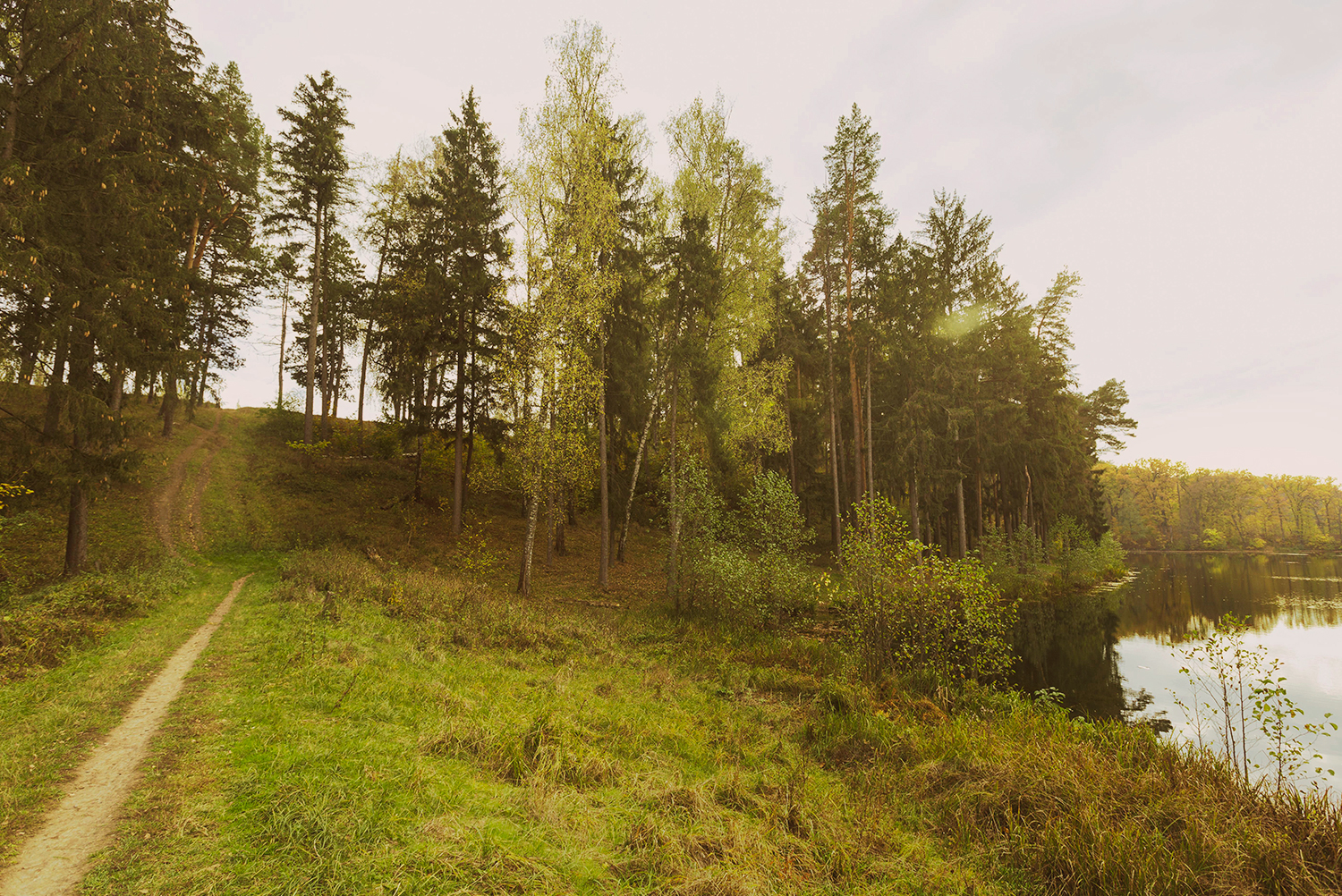
ForPeat is a European research project dedicated to improving the sustainable management and restoration of forested peatlands.
ForPeat brings together partners from 15 countries to develop practical, science-based solutions that balance climate action, biodiversity conservation, and bioeconomic needs. Through 8 Open Labs, the project advances monitoring and data collection, tests innovative water and forest management practices, and supports policies that strengthen the resilience and multifunctionality of peatland ecosystems.

ForPeat
Objectives
ForPeat objectives are in line with the 2030 EU Biodiversity Strategy, the European Climate Law, the EU Green Deal, and the Nature Restoration Law. The main objectives of ForPeat are to:
- Demonstrate sustainable forest management practices through real-life case studies in Open Labs.
- Advance monitoring techniques for peatland forest management
- Model and assess trade-offs and co-benefits of different management approaches of forest peat soils.
- Develop policy recommendations of best practices for the sustainable management of forest peat soils.
- Integrate Social Science and Humanities (SSH) and citizen science in the project activities.
- Communicate and disseminate project results and cluster with relevant forest and peatlands initiatives.
The Open Labs
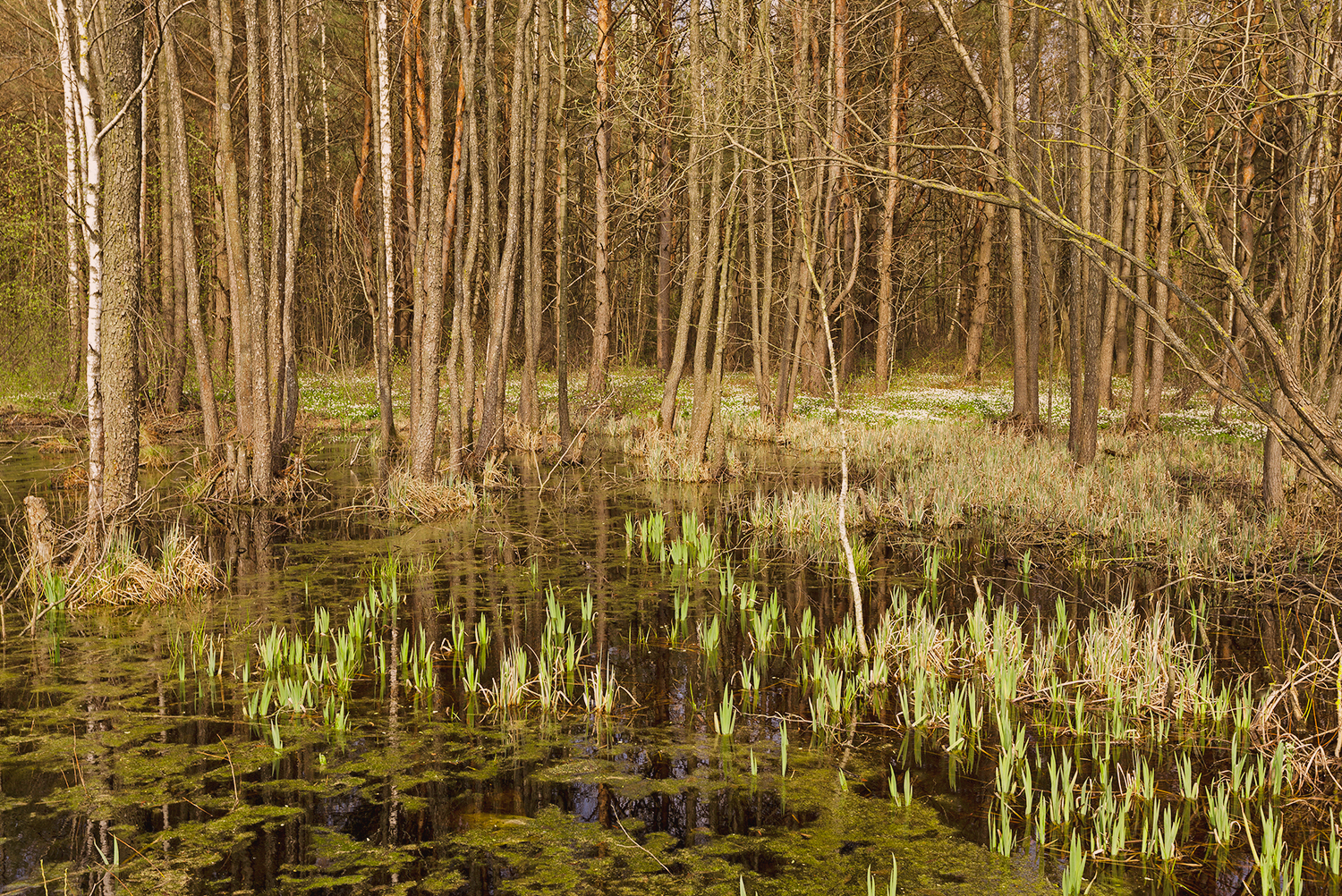
ForPeat’s Open Labs are the project core and enable the expansion of the knowledge of forest peatlands in several research areas. The Open Labs are not only including relevant sites for the scientific study of the management of forest peatlands and its impact on greenhouse gases fluxes, water and biodiversity, but also the social aspect, enabling the engagement with landowners, policymakers and industrial stakeholders.
The Open Labs have been selected to cover a range of local conditions and geographic characteristics based on the following criteria: (1) relevance and potential impact to the forest peat soil sites at national level, (2) status of forest peat soils: drained, restored, conserved and near-pristine; (3) access to the land guaranteed at proposal scale by landowners (4) social, cultural contexts and vulnerability; and (5) governance structures.
Numbers

48
Months

10
Millions €

14
Countries

22
Partners