The ForPeat
Consortium

The ForPeat project brings together a multidisciplinary consortium that spans a wide range of fields — including biology, chemistry, environmental engineering, forestry, ecology, data analysis, policy, social sciences and humanities, behavioural science, water and nature management, as well as GIS mapping and modelling.

The consortium is composed of 22 partners across Europe, including SMEs, universities, research centres, and NGOs. Together, they combine scientific excellence with practical experience to advance peatland restoration and sustainable land management.

Below, you can explore the members of the ForPeat consortium and their roles in the project.

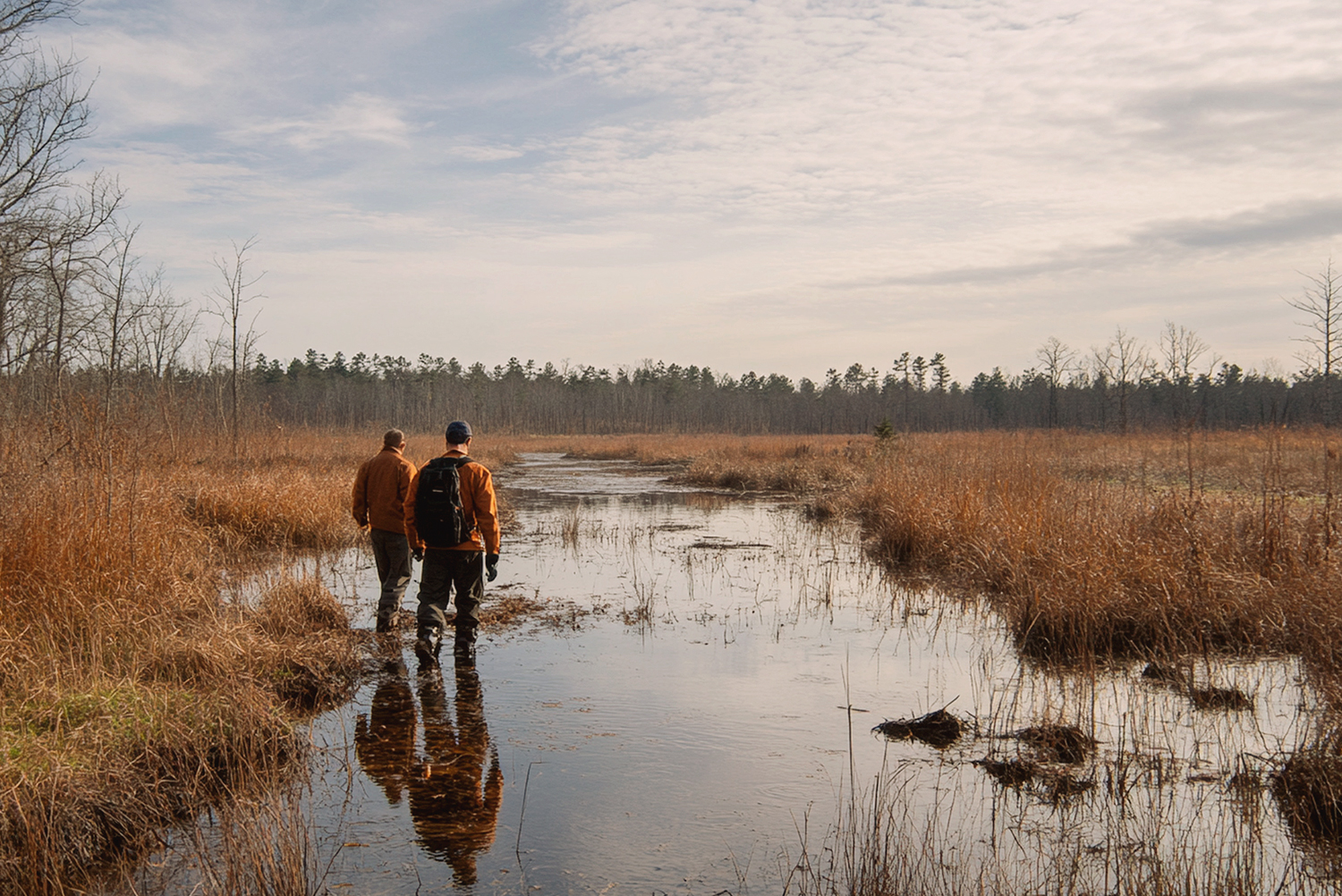
Researchers walking through a peatland wetland during fieldwork, representing ForPeat partners

Partners

  • Spain

    IDENER.AI is a private research and technology SME formed by a multidisciplinary team of engineers, scientists, and software developers dedicated to applying artificial intelligence to complex scientific and engineering challenges. The company integrates machine learning, systems modelling, advanced control, and mathematical optimisation to deliver innovative solutions across multiple domains. Since its foundation in 2010, IDENER.AI has established itself as a trusted partner for leading European research centres, universities, and technology companies.

    Within ForPeat, IDENER.AI coordinates the project and contributes its expertise in digitalisation and decision-support systems, developing computational tools and economic models to evaluate sustainable management strategies for forested peatlands.

  • Finland

    The Natural Resources Institute Finland (Luke) is a public research organisation operating under the Ministry of Agriculture and Forestry of Finland. Luke’s task is to promote competitive business based on the sustainable use of renewable natural resources, as well as well-being and the vitality of the countryside. Luke employs 1300 people in 24 locations in Finland, with the headquarters in Helsinki. 

    Luke coordinates studies in the ForPeat Open Labs, applying sustainable forest and peatland management practices across diverse European sites. LUKE contributes extensive expertise in hydrology, ecosystem monitoring, and remote sensing to assess water dynamics, biodiversity, and ecosystem services in forested peatlands. The institute also conducts life cycle analyses to evaluate the environmental performance of restoration measures. In collaboration with the University of Eastern Finland, LUKE coordinates four Open Lab sites in Finland (Open Lab 1), representing northern boreal peatland forests.

  • Denmark

    Aarhus University (AU) is among Denmark’s leading research universities and an international leader in agricultural, environmental, and climate sciences. Within AU, the Department of Agroecology provides expertise in soil biogeochemistry, ecosystem monitoring, and sustainable land-use solutions. Through integrated field experimentation, advanced laboratory methods, and modelling, AU advances knowledge to tackle urgent environmental and climate challenges.

    In ForPeat, AU investigates how different forest and peatland management practices influence climate, biodiversity, and ecosystem services. AU also leads the research on nutrient dynamics and leaching potential under different hydrological management regimes, leading to recommendations for optimised hydrological management.

  • Estonia

    The University of Tartu (UT) is Estonia's leading research university with distinction in environmental science, ecology, and geoinformatics. UT Department of Geography investigates peatland ecology, landscape processes, and ecosystem monitoring. In the Environmental Technology Laboratory, the interactions between the terrestrial biosphere and atmosphere with a focus on trace gas exchange, wetland biogeochemistry, ecosystem restoration, and carbon cycling are the main focus.

    UT coordinates the Estonian Open Lab 2, focusing on forested peatland ecosystems, greenhouse gas fluxes, and carbon balance assessment. The team conducts eddy covariance and chamber measurements to monitor ecosystem response to rewetting and forestry, applies remote sensing and AI-assisted data integration, investigates biodiversity and resilience, and links local data with multi-site and satellite observations to support modelling and policy guidance.

  • Austria

    BOKU University in Vienna is a leading European Life Sciences institution. The Institute of Soil Bioengineering and Landscape Construction combines nature-based and technical methods to restore wetlands, design green-blue infrastructure, and assess ecosystem services. The Working Group on Soil Bioengineering and Ecosystem Services develops innovative solutions across the full life cycle, integrating restoration, monitoring, and stakeholder engagement.

    Within ForPeat, BOKU University coordinates Open Lab #4 in Karlstift, Austria, which focuses on the restoration of a degraded raised bog. The team is establishing an eddy covariance station to measure carbon fluxes, complemented by portable trace gas analysers for detailed greenhouse gas monitoring. Additional activities include hydrological measurements, vegetation assessments, and carbon stock analyses. Together, these efforts generate essential data on the effects of restoration and contribute to the development of CO₂ certification approaches.

  • Belgium

    KU Leuven, Belgium’s oldest and largest university, is home to the Behavioural Economics and Engineering Research Centre (BEE). BEE studies why and how people often make suboptimal choices in complex environments and aims to support decision-makers at all levels in making smarter decisions that enhance well-being. 

    KU Leuven will take part in activities related to social sciences and humanities (SSH), including the acceptance of peatland restoration among key stakeholders.

  • Netherlands

    The Earth Systems and Global Change (ESC) group within Wageningen University’s Department of Environmental Sciences (WU-DES) specialises in global and regional adaptation and mitigation strategies related to climate change. Its interdisciplinary team includes hydrologists, biologists, meteorologists, and social scientists working together to advance understanding of greenhouse gas dynamics in natural and managed peatlands and wetlands.

    In ForPeat, the GHG Team of ESC co-coordinates the Weerribben-Wieden Open Lab in the Netherlands, together with Wageningen Environmental Research (WENR). Two eddy covariance installations are used to study how management and restoration of habitats such as reedlands and forest fens influence biodiversity and greenhouse gas emissions. The team also engages closely with local stakeholders to link scientific research with practical management actions.

  • Netherlands

    Wageningen Environmental Research (WENR) is a specialised research institute which is part of Wageningen University and Research. It offers a combination of practical, innovative and interdisciplinary scientific research across many disciplines related to the green world and the sustainable use of our living environment. Research focuses on five central themes: biodiverse environment, green climate solutions, green cities, sustainable land use, and sustainable water management.

    WENR co-coordinates Open Lab 3, located at the Weerribben-Wieden in the Netherlands, together with WU-DES. In ForPeat, WENR investigates how different forest and peatland management practices influence biodiversity and water nutrient dynamics. The institute also contributes data and expertise on environmental factors and ecosystem functioning to support mapping and modelling activities, advancing understanding of restoration processes in peatland ecosystems.

  • Spain

    KNEIA is an SME specialised in scientific communication, research valorisation, and open science. The company collaborates with public and private organisations, research institutions, and government agencies to bridge the gap between science, policy, and society through impactful communication and innovation services.

    Within ForPeat, KNEIA leads the communication, dissemination, exploitation, and clustering activities. In addition, KNEIA is responsible for developing the Multi-Actor Participatory Platform to foster collaboration and knowledge exchange among stakeholders.

  • Germany

    Remote Sensing Solutions (RSS) is one of Germany’s leading value-adding companies in Earth Observation. Building on cutting-edge remote sensing and AI technology, RSS specializes in satellite image processing, thematic mapping, environmental monitoring and spatio-temporal analyses.

    RSS contributes to the ForPeat project by advancing remote sensing methodologies and AI technologies for monitoring peatland forest condition, management practices and environmental impacts. They will produce detailed multiscale maps of the Open Labs and use remote sensing data to model environmental parameters such as GHG fluxes and wetness. RSS will also pilot a digital Monitoring, Reporting and Verification platform to transparently monitor and communicate project impacts.

  • Spain

    The Climate Research Foundation (FIC) is a specialised organisation focused on research, innovation, and practical solutions for climate change. It combines expertise in climatology, meteorology, and environmental science to deliver applied knowledge, tools, and services that support adaptation and mitigation. FIC also leads development cooperation and knowledge-transfer projects for public institutions, businesses, and society to strengthen climate-risk management.

    FIC contributes to the consortium with its expertise in climate modelling applied to forest peatlands, analysing the biodiversity-climate nexus and assessing wildfire risk. Fic will also develop climate projections based on CMIP6 models to evaluate how future climate conditions may affect restoration measures in the Open Labs. These projections are combined with mapping and field data to assess potential impacts and support evidence-based technical and policy recommendations

  • Germany

    The Technical University of Applied Sciences Rosenheim is a pioneer in wood technology and wood-based bioeconomy. The Sustainable Engineering and Management (SEM) research group are specialised in LCA, MFA, System Dynamics modelling, and circular economy solutions driving innovation for sustainable resource management and climate-positive practices.

    Within ForPeat, THR delivers an integrated impact report (environmental, economic, social) on peatland forest’s wood value chain and develops a System Dynamics simulation tool to forecast future trends using key sustainability indicators.

  • Italy

    The Libera Università di Bolzano (UNIBZ) is a public university located in Bolzano, South Tyrol, Italy. Founded on October 31, 1997, it offers over 30 international study programs across various fields, including economics, business, natural sciences, engineering, computer science, education, communication studies, and design and the arts.

    In ForPeat, UNIBZ brings specialised expertise in genetics and microbial ecology to study how forest management and restoration practices influence soil biodiversity and ecosystem functioning. The university also coordinates Open Lab 7 activities, located in Alpe di Villandro in northern Italy, where biodiversity samples from water and soil are analysed to assess the impacts of restoration in high-altitude peatland forests within a protected area.

  • Finland

    University of Eastern Finland (UEF) is one of Finland’s most multidisciplinary universities, with a strong emphasis on interdisciplinary research, international collaboration, and sustainability. UEF has two campus sites, located in Joensuu and Kuopio. UEF is internationally recognised due to high quality research and education in forestry and environmental science. 

    UEF is responsible for the measurements and studies at the Ylpässuo peatland site of the Finnish Open Lab 1. The site has been protected since 2020 by the Natural Heritage Foundation of Finland. Therefore, the natural restoration process of the peatland area can be studied due to the protection and conservation of the site.

  • United Kingdom

    Scotland’s Rural College (SRUC) is a leading institution for research, education and consultancy in agriculture, land, food and the environment. Its work spans climate-smart farming, biodiversity, carbon and nature markets, animal health and rural policy. SRUC combines research, teaching and advisory services to deliver solutions for sustainable food systems, resilient rural economies and thriving communities, contributing expertise to European and global partnerships.

    SRUC leads social science research in ForPEAT, analysing governance, policy and market barriers to peatland restoration. It evaluates opportunities for carbon and biodiversity markets, develops guidance for fair and effective incentive mechanisms, and supports policy alignment across Europe. By combining applied research with advisory expertise, SRUC ensures that project outputs inform both practice and policy.

  • Portugal

    The University of Évora (UEVORA), founded in 1559, is the second-oldest university in Portugal and a leading centre for research and education in environmental sciences, ecology, and sustainable resource management.

    In ForPeat, UEVORA coordinates Open Lab 6, located in Paul da Gouxa, Portugal, with a focus on ecosystem conservation, paludiculture, and bird monitoring. Through the MED Research Centre, the university contributes expertise in biodiversity assessment and wetland restoration, supporting the development of sustainable management practices for peatland ecosystem

  • Netherlands

    Bureau Stroming is one of the pioneering organisations in implementing Nature-based Solutions for river and wetland systems, contributing to a more natural, sustainable, and climate-resilient Europe. The organisation works to connect people with accessible natural environments while addressing societal and economic challenges such as flood risk management, spatial planning, recreation, climate adaptation, and ecosystem services.

    In ForPeat, Bureau Stroming contributes to the planning and implementation of technical restoration activities. The team focuses on assessing water quality, quantity, and retention from the site to the catchment scale, providing key insights into peatland hydrology across the different Open Labs.

  • Spain

    Science for Change (SfC) is a Barcelona-based SME specialised in citizen science, co-creation, and participatory research. SfC works to bridge science, policy, and society by developing and implementing innovative methodologies that promote public engagement, evidence-informed decision-making, and capacity-building. Its multidisciplinary team applies participatory approaches to address sustainability, environmental, and health challenges across Europe and beyond.

    In ForPeat, SfC applies citizen science and co-creation methods to involve local communities and stakeholders in peatland restoration. The team contributes to assessing ecosystem and socio-economic aspects, facilitates dialogue between science and policy, and develops communication strategies that turn research outcomes into actionable knowledge for sustainable management.

  • Poland

    The Warsaw University of Life Sciences (SGGW) is the oldest and largest agricultural university in Poland. Although its history is linked to traditional agriculture, forestry, veterinary medicine, and food production, more scientific research is now focused on sustainable development and environmental restoration. The main partner in the ForPeat project is the Centre for Climate Research, which deals with the scientific basis for peatland restoration, analyses greenhouse gas emissions from a range of ecosystems, ecosystem services, and bioeconomy.

    In the ForPeat project, SGGW coordinates Open Lab 5 activities– a restored, forested peatland located in the Biebrza National Park in Poland. In ForPeat, SGGW investigates greenhouse gas emissions and evaluates ecosystem responses to rewetting measures, contributing to a better understanding of restoration outcomes. The team also examines the bioeconomic context and engages local stakeholders involved in peatland restoration, fostering synergies between ecological recovery and sustainable regional development.

  • Sweden

    Uppsala University (UU) is one of Europe’s oldest and most prestigious universities, renowned for its excellence in research and education across the natural, social, and technical sciences. The university combines strong disciplinary expertise with interdisciplinary collaboration to address global sustainability and climate challenges.

    In ForPeat, UU coordinates Open Lab 8, which includes five distinct peatland areas located near Uppsala, Sweden. The team focuses on studying hydrological dynamics and ecosystem responses to restoration and management practices, generating valuable insights to guide sustainable peatland restoration in northern Europe.

  • Norway

    The Norwegian Institute for Nature Research (NINA) is Norway’s leading institution for applied ecological research, with broad-based expertise on the genetic, population, species, ecosystem and landscape level, in terrestrial, freshwater and coastal marine environments.
    br> Within ForPeat, NINA contributes its specialised knowledge in passive acoustic monitoring, including the development of deployment protocols, data management, and acoustic analysis. This work supports the monitoring of biodiversity and ecosystem responses in restored peatland habitats.

  • Switzerland

    The Swiss Federal Institute for Forest, Snow and Landscape Research (WSL) is Switzerland’s leading centre for research on terrestrial environmental systems. WSL develops science-based solutions for sustainable management of forests, landscapes, and biodiversity, addressing global challenges such as climate change, land-use transformation, and biodiversity loss.

    In ForPeat, WSL applies its expertise in forest engineering and sustainability assessment to analyse harvesting practices in forested peatlands. The team evaluates existing techniques and conducts field studies to better understand operational challenges in these environments. Based on this work, WSL is developing a productivity model to estimate efficiency and costs, supporting long-term sustainable management of peatland forests.