 info@forpeat.eu


Peatlands cover little land but hold immense climate value. Europe is restoring these ecosystems to cut emissions and boost resilience. Read more.
Small in area, huge in impact
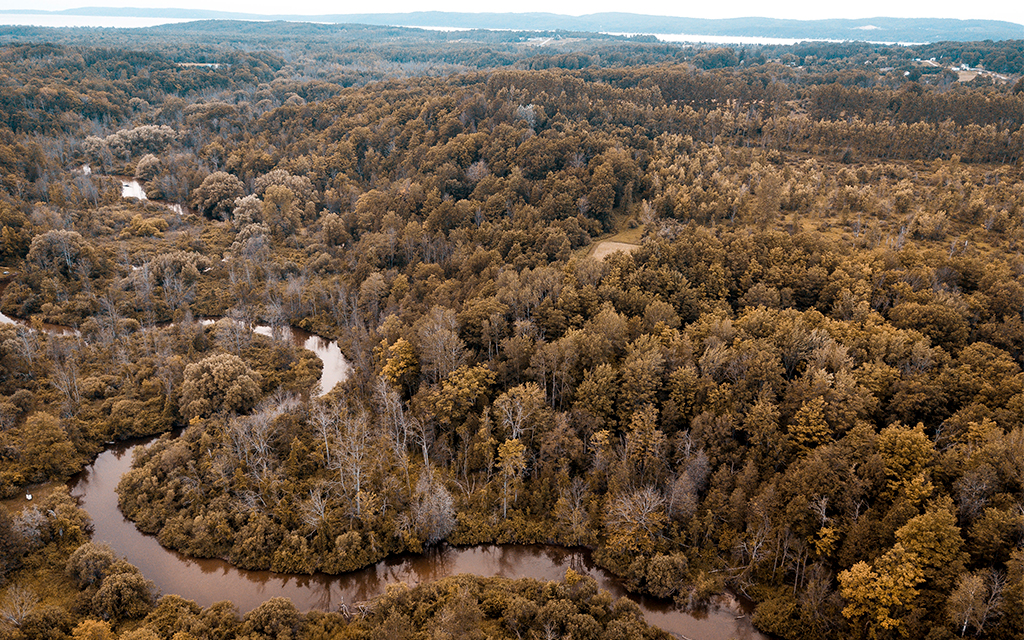
Across Europe’s forests, moors, and northern plains stretch vast but often invisible carbon stores, peatlands. These water-logged ecosystems cover only about 3.8% of the Earth’s surface, yet they hold a third of all soil carbon, more than all the world’s forests combined (UNEP, 2024). Healthy peatlands are much more than carbon sinks. They store and filter water, reduce floods and droughts, and harbour unique biodiversity, from mosses and orchids to cranes and dragonflies. But when drained or over-exploited, they lose these essential functions and can even become fire-prone landscapes.
For centuries, humans have reshaped these environments, draining them for agriculture, extracting peat for fuel, or planting trees for timber. As a result, about half of Europe’s peatlands are now degraded, and 10% have been lost entirely (UNEP, 2024). As a result, Europe is the second-largest emitter of greenhouse gases from drained peatlands globally (UNEP, 2022).
A continental shift in mindset
Fortunately, peatlands are starting to receive the attention they deserve. Over the past decade, several European countries, including Finland, Ireland, Germany, Scotland, Austria, and England, have developed national peatland strategies to coordinate restoration and protection efforts (Nordbeck & Hogl 2024).
These strategies vary in scope but share the same goal: to halt degradation, restore drained areas, and integrate peatlands into climate, biodiversity, and water policies. To illustrate these efforts, here are a few examples:
- Scotland aims to restore 250,000 hectares of peatland by 2030, backed by £250 million in funding.
- Ireland is ending peat extraction for energy and rewetting its bogs.
- Germany and Austria are reducing horticultural peat use and prioritising wetland restoration.
At the European level, the Nature Restoration Law (2024) introduces binding targets for rewetting and restoring drained peatlands — a crucial step toward meeting the EU’s Green Deal and Fit for 55 climate objectives.
Bringing Life Back to Peatlands
Restoring peatlands often means rewetting them, raising the water table to stop further peat decomposition. This can reduce soil greenhouse gas emissions and, over time, allow the ecosystem to become a carbon sink again and recover its biodiversity.
Rewetting does change how land can be used, but new approaches such as paludiculture — cultivating wetland-adapted plants like reeds, cattails, or alder — show that economic activity and ecosystem recovery can coexist. These “wet crops” can provide biomass for construction, bio-based materials, or renewable energy while maintaining the land’s carbon storage function.
Looking ahead
Globally, 12% of peatlands are already degraded, releasing nearly 2 billion tonnes of CO₂ equivalent every year (about 4% of total human emissions) (UNEP 2024). Europe’s role is especially significant, as many of its peatlands were among the first to be drained and industrialised.
However, large-scale restoration projects, cross-border cooperation, and innovative land management models are gaining ground. Initiatives such as the European Climate Initiative (EUKI) and the Global Peatlands Initiative (UNEP) are helping countries share data, expertise, and policy tools to accelerate progress.
Peatlands may appear as quiet, unremarkable landscapes, but they are ecosystems that regulate our climate, secure our water, and harbour rich biodiversity. Protecting and restoring them is not only an environmental duty, it is a smart, long-term investment in Europe’s resilience to climate change.
References
United Nations Environment Programme (2022). Global Peatlands Assessment – The State of the World’s Peatlands: Evidence for action toward the conservation, restoration, and sustainable management of peatlands. Summary for Policy Makers. Global Peatlands Initiative. United Nations Environment Programme, Nairobi.
United Nations Environment Programme (2024). Global Peatland Hotspot Atlas: The State of the World’s Peatlands in Maps. Visualizing global threats and opportunities for peatland conservation, restoration, and sustainable management. Nairobi.
Nordbeck, R. & Hogl, K. (2024) – National Peatland Strategies in Europe: Current Status, Key Themes and Challenges. Regional Environmental Change,>24(5). Springer Nature.