 info@forpeat.eu


Open Lab 5
Poland
Location:
Biebrza National Park, Poland
Type of ecosystem:
Peatland forest
Size:
300 ha
Site manager:
Biebrza National Park
OL Coordinator (organisation and country):
Warsaw University of Life Sciences, Poland
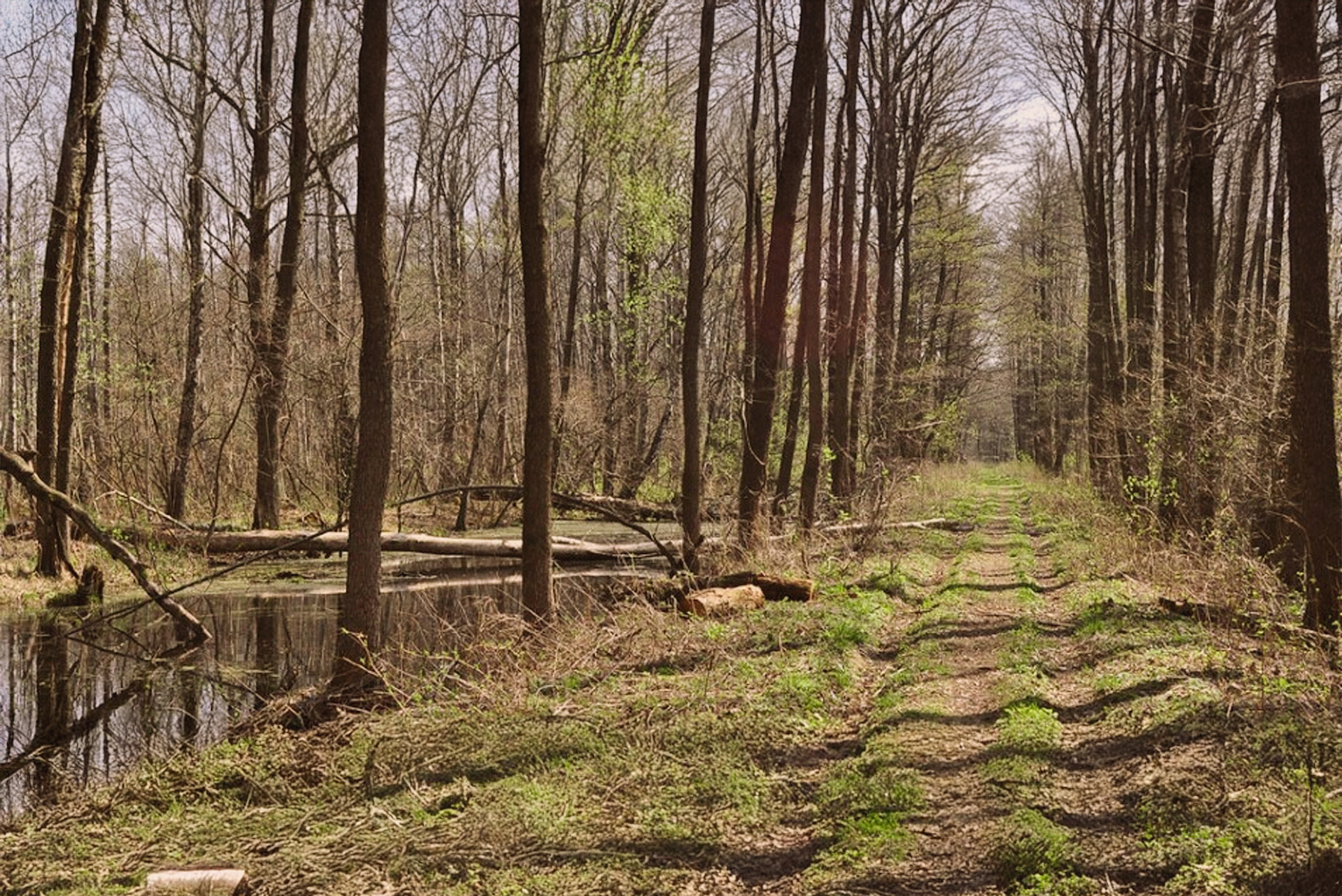

The Biebrza
National Park
Biebrza National Park, located in northeastern Poland in the Podlaskie Voivodeship along the Biebrza River, is the largest of the country’s 23 national parks. Established on 9 September 1993, the park protects one of the most extensive and best-preserved wetland landscapes in Central Europe. Its most valuable area, the Biebrza Marshes, consists of vast fenlands, alder forests, wet meadows and grass-tussock communities shaped by the natural dynamics of the meandering Biebrza River. Recognising its ecological importance, the site was designated a wetland of international significance under the Ramsar Convention in 1995.
The park provides crucial habitat for many rare and threatened species. Its wetlands are particularly important for birds, serving as key areas for nesting, feeding and resting along major migration routes. The landscape also supports mammals such as elk, beaver, wolf and otter, as well as amphibians and insects, including the European fire-bellied toad and the rare moth Catocala pacta. However, the ecosystem faces increasing pressures from activities such as dredging, canalisation, water management changes and invasive species, making conservation and sustainable management essential for the future of this unique peatland landscape.
The ForPeat
Site
The ForPeat research site covers approximately 300 hectares within Biebrza National Park, centred around the Kapice Forest and the Kapicki Canal in northeastern Poland.
Running through this forest is the Kapicki Canal, a drainage canal constructed in the 1840s that has historically lowered water levels in the surrounding temperate lowland peatland, dominated by alder forests. Recognising its impact on the hydrology of the area, restoration efforts began in 2015 with the construction of ditch blocks to reduce drainage. Further measures were implemented in 2018, including the installation of five spillways and two regulated dams along the canal, aiming to restore more natural water levels and improve peatland ecosystem functioning.


Management
Approaches and Research
This Open Lab focuses on assessing how peatland forests—particularly alder carr ecosystems—respond to water management interventions along the Kapicki Canal. Historically, the canal has contributed to the drainage of adjacent forest stands, altering the natural hydrological conditions of this protected wetland landscape. To reduce these drainage effects, the project will implement hydrological restoration measures, including the reconstruction of two existing small weirs and the installation of five additional spillways along the canal.
The effectiveness of these interventions will be evaluated through a monitoring programme. An eddy covariance tower will measure greenhouse gas fluxes, providing insights into how hydrological restoration influences carbon dynamics. Biodiversity monitoring will also be carried out across several taxonomic groups, including insects, vegetation and bird population.
Research Team
University of Warsaw
Open Lab #5 is coordinated by the Warsaw University of Life Sciences. The work is led by:
