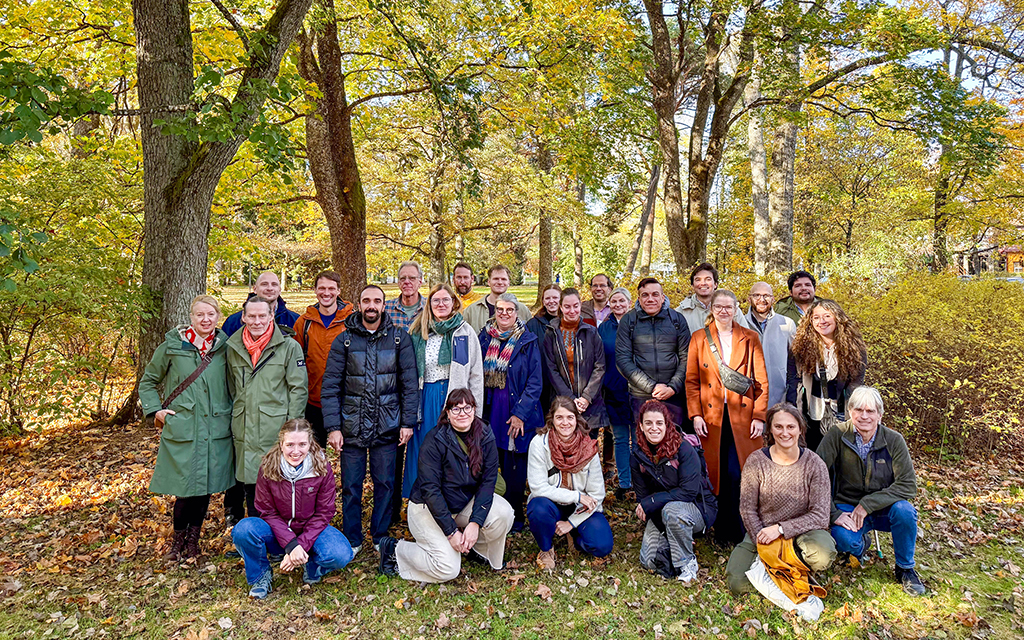
From 20 to 22 October 2026, the ForPeat consortium gathered in Pärnu, Estonia, for its latest consortium meeting, hosted by the University of Tartu. The three-day event brought together project partners to review the progress achieved during the first year of implementation, exchange scientific knowledge and coordinate upcoming activities. The meeting concluded with a field visit to the Rumba Open Lab, offering participants a first-hand look at ongoing research in Estonia's forested peatlands.
Reviewing the First Year of ForPeat
The first two days were dedicated to technical discussions, presentations of recent achievements and joint planning for the coming months. Representatives from the different work packages shared updates on their activities, discussed scientific and technical challenges, and identified priorities to ensure the continued progress of the project.
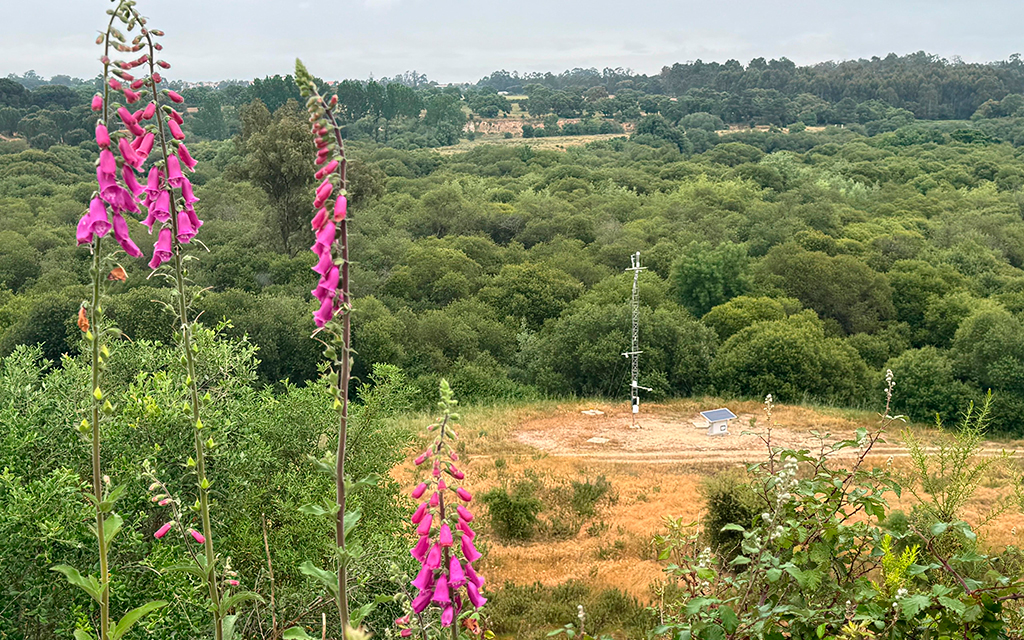
One of the most encouraging developments during ForPeat's first year has been the installation of several eddy covariance stations at forested peatland sites across Europe. These monitoring systems provide continuous measurements of greenhouse gas exchanges between ecosystems and the atmosphere, generating valuable information on carbon dynamics. Together with other monitoring approaches, they will help researchers better understand how different forest management and restoration practices influence the carbon balance of peatland ecosystems.
Strengthening Collaboration on Peatland Data Standards
Peatland research generates diverse datasets, ranging from greenhouse gas measurements and hydrological observations to biodiversity assessments. However, differences in data collection methods, terminology and formats can make it challenging to combine information from different research sites and initiatives.
The WaterLANDS project delivered a workshop dedicated to peatland metadata standards, highlighting the importance of improving how peatland research data is described, shared and reused. If you want to explore more about the peatland metadata standard, click here.
Exploring Estonia's Peatland Landscapes and the Rumba Open Lab
On the third day, ForPeat partners left the meeting rooms behind to explore some of Estonia's peatland landscapes and visit one of the project's research sites.
The field excursion began with a walk along the Tolkuse nature trail in Rannametsa. Following an outdoor lunch, the group travelled to the ForPeat Rumba Open Lab, located in Pärnumaa and managed by the Estonian State Forest Management Centre (RMK).
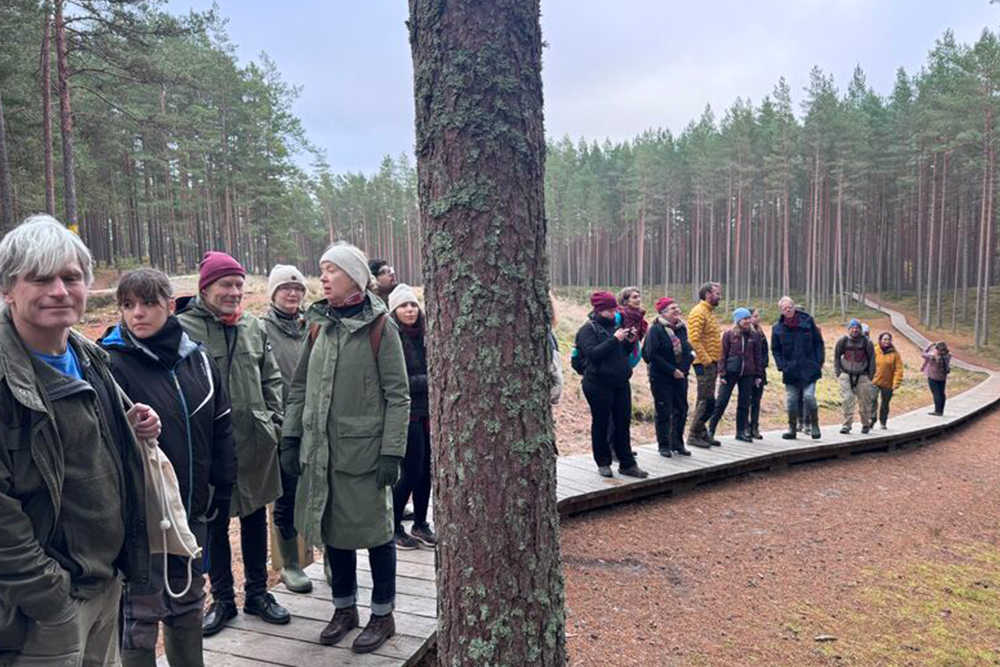
The Rumba Open Lab covers approximately 50 hectares within a larger forested peatland landscape dominated by spruce and birch. The area was drained during the 1960s to support timber production and has remained under active forest management. Today, the site provides an important opportunity to investigate the interactions between forest management, peat soil conditions and greenhouse gas emissions.
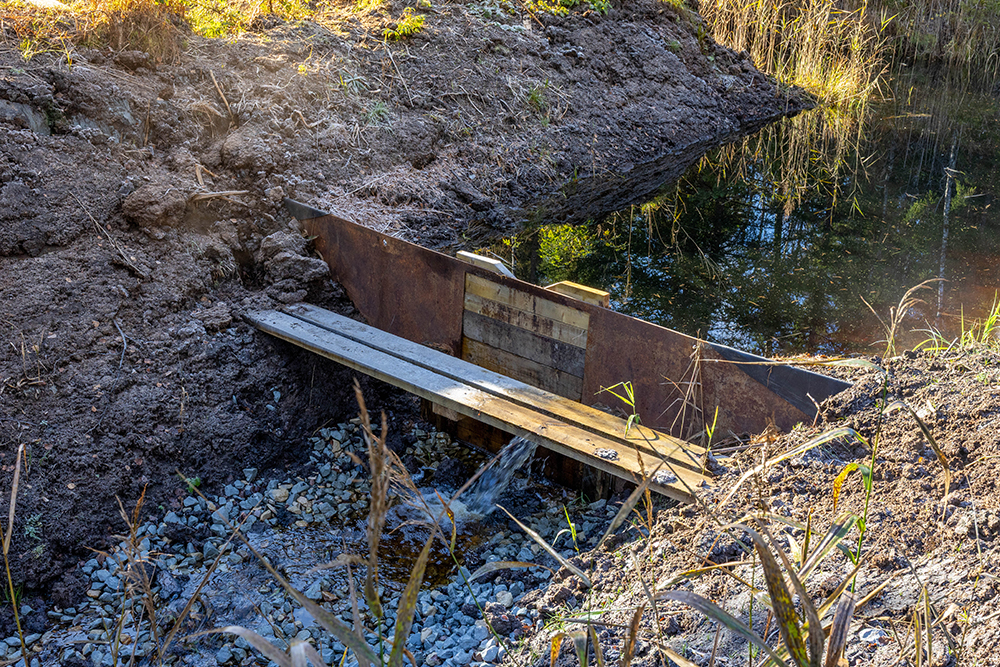
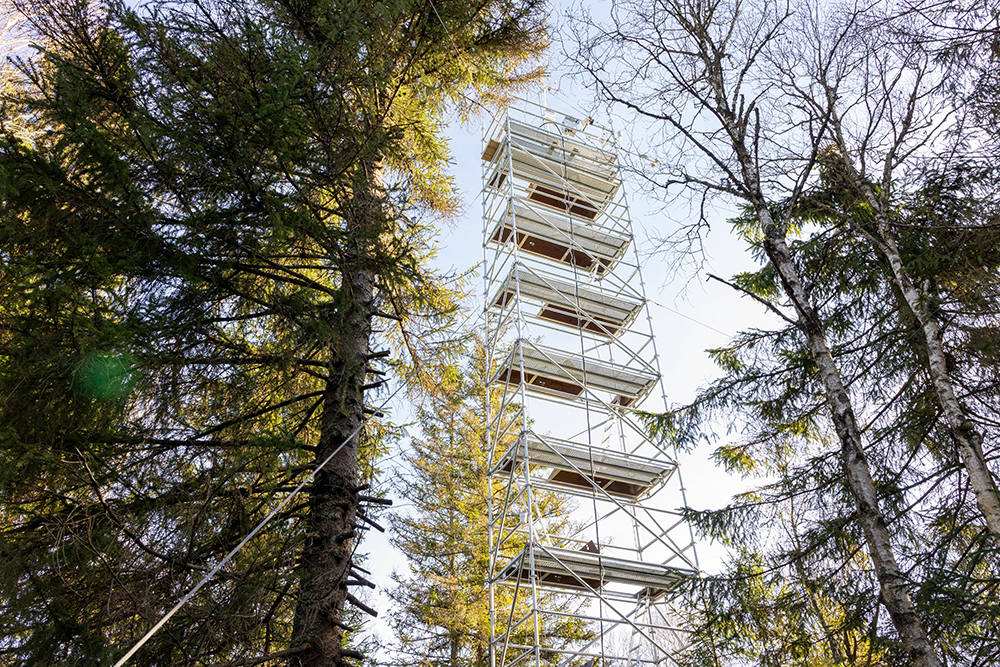
During the visit, partners explored the recently installed eddy covariance tower and the ongoing stem flux measurements, gaining insights into the monitoring approaches being implemented at the site. The combination of these measurements will contribute to a more comprehensive understanding of carbon exchanges in drained forested peatlands, helping researchers assess their responses to different management practices and inform future restoration strategies.
The consortium meeting in Estonia offered an important opportunity to consolidate the project’s progress, strengthen cooperation among partners and prepare for the next stages of research and implementation.